A stone bathroom sink brings natural colour, depth and texture into a room that can otherwise feel dominated by flat, manufactured surfaces. Every piece has its own veining and tonal variation, which is part of the appeal. That individuality also means buyers should plan more carefully than they might for a standard ceramic basin.
Expect natural variation
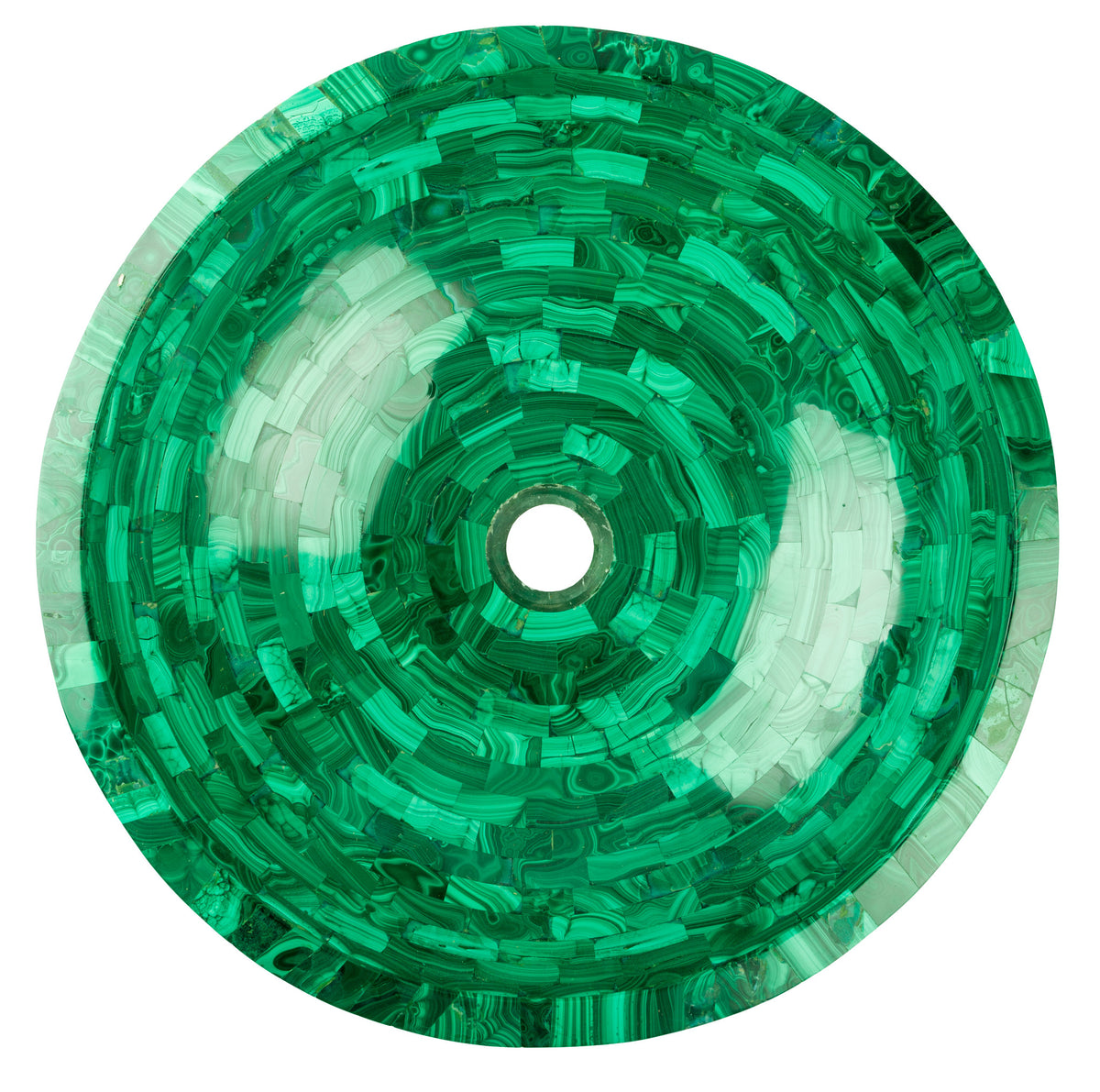
Stone is formed rather than printed, so the exact pattern will vary from photographs and samples. Agate, marble, onyx and other decorative stones can contain bands, translucent areas, fine lines and colour changes. These features are not defects. They are the reason a stone basin feels unique.
Check weight and support
A stone basin can be heavy. Confirm the product weight and make sure the vanity and benchtop can support it. The installer should also check the cut-out, waste connection and access beneath the vanity. Do not assume that a cabinet designed for a light basin will suit every stone piece without reinforcement.
Understand sealing and cleaning
Care requirements depend on the stone and finish. Some basins may need periodic sealing, while others arrive with a protective treatment. Use pH-neutral cleaning products unless the supplier states otherwise. Acidic cleaners, abrasive powders and rough pads can etch or dull natural surfaces. Wipe away standing water and cosmetic spills promptly.
Plan the tap and finished height
Most statement stone sinks are vessel basins, which add height above the vanity. Measure from the floor to the top rim and choose tapware with enough reach and clearance. A tap that hits the steep side of the bowl may splash, while an outlet positioned near the centre usually produces a calmer stream.
Let stone lead the palette
A strongly patterned basin already provides visual movement. Pair it with quieter tiles and a restrained vanity if you want the stone to remain the focus. Warm metals can highlight gold or amber tones, while chrome and brushed nickel suit cooler greens, blues and greys.
Explore semi-precious stone bathroom sinks, compare the mother of pearl collection, or browse all bathroom basins. Stone works best when its weight, care and natural character are treated as part of the design from the beginning.
Questions to ask before purchase
Ask whether the stone has been sealed, how often any treatment should be renewed and which cleaners are approved. Confirm whether the pictured basin is the exact piece for sale or an example of the material. If it is an example, request guidance on the likely colour range and veining.
Check the return and transit-damage process as well. A heavy stone basin needs careful packaging and handling. Inspect it promptly after delivery and keep it protected until the vanity and plumbing are ready.
Everyday expectations
Natural stone develops a relationship with use. Minor tonal shifts and variation can be part of its appeal, but neglect is different from patina. Drying standing water, keeping harsh products away and maintaining the seal where required will help the basin age gracefully. Buyers who prefer a completely uniform, low-attention surface may be happier with ceramic. Buyers drawn to texture and individuality are more likely to appreciate stone.
Budget beyond the basin
Include delivery, suitable tapware, a compatible waste, possible vanity reinforcement and professional installation in the budget. Stone may also benefit from a care product or future resealing, depending on the material. These costs are easier to manage when identified before purchase. A cheaper basin that forces cabinetry changes can become more expensive than a correctly specified piece. Ask for the full technical information, share it with the trades involved and make the purchasing decision only when the complete installation is understood.